Tips on Choosing the Perfect Brand Identity Design

Before you start looking for a designer for brand identity design, you should ask yourself these questions: How does your brand look like? What are your expectations? What do you want to achieve? How will you know if you have hired the right person to work on your branding project? The answers to these questions will help you narrow down your search. Once you have answered these questions, you can then begin searching for the right designer. The following are some tips to help you choose the perfect designer for your needs.
Identify your target customer’s personality:
Psychographics is the study of human psychology and is crucial to brand identity design. Market demographics offer statistical data about your target customer’s demographics. Market psychographics, on the other hand, digs into the thinking and lifestyle of your target audience. These factors help you create a design that speaks directly to their desires. The aim is to create a brand that is recognizable and memorable for your target audience.
Decide on your style and color palette:
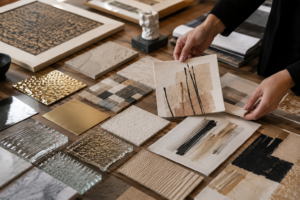
If your company wants your brand to look more streamlined, you should use a color palette that matches the existing brand colors. Using the same colors throughout your brand’s visual resources will help your customers recognize your business. Also, choose a style guide that can be updated over time so that your designs match the rest of your company’s visual style. In this way, your business will have a more cohesive look and feel than it does today.
Choose a logo that relates to your company:
Your brand isn’t limited to your name or logo. It should be consistent across all of your marketing materials and promotional material. Your company’s logo should match the rest of your brand’s visual identity. A well-chosen logo will be memorable and a memorable image of your business. You won’t have to use your name or your company’s slogan to be recognized by consumers.
Select the right typography:
A good style guide describes your brand’s logo and other visual elements. It allows you to maintain cohesion between the different elements of your brand. For example, a winemaker should have detailed guidelines about the size and placement of their labels. The name of a restaurant, for example, may have specific requirements regarding the format of its menu and the fonts used in the main courses. It is crucial to choose an image that is memorable and reflects the niche of the restaurant.