Tracking Your Childs Progress Through Occupational Therapy Milestones
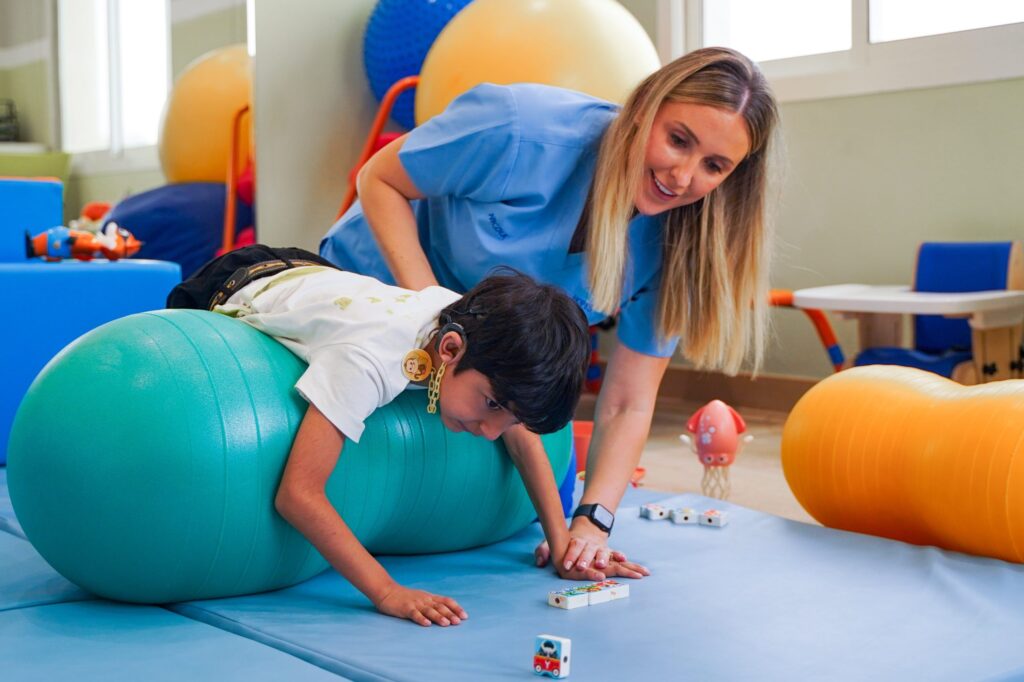
Watching a child grow brings pure delight. Small changes occur daily as young minds discover new skills. Parents play a key role in supporting growth, observing how a kid interacts with toys, holds a spoon, or stays steady during play. Small wins create momentum, turning simple daily tasks into real skill gains. Keeping a record of these shifts helps caregivers see growth clearly while supporting occupational therapy in Dubai.
Celebrate small steps
Focus on tiny victories daily. Perhaps a kid held a crayon for ten seconds longer or balanced on one foot without wobbling. Documenting these moments provides a record of growth. Use a notebook or a simple digital list. Noting these shifts prevents frustration. Change happens slowly, but a written record reveals how far a kid came over months.
Prioritize consistent habits
Daily routines offer chances to practice skills. Encourage buttoning shirts or using scissors during craft time. Repetition builds muscle memory. Keep activities brief to keep focus high. When skills repeat frequently, the brain forms connections faster. Simple games at home turn therapy goals into fun playtime activities that encourage steady development.
Track motor skill gains
Motor skills include fine tasks like writing and gross movements like climbing. Observe how a kid grasps objects or manages stairs. Are movements smoother? Does balance improve? Checking these physical changes helps show physical progress. Record specific dates when a task became easier. This data helps when speaking with a therapist about future goals.
Monitor sensory responses
Kids react differently to textures, sounds, or bright lights. Watch how a kid behaves in busy areas or when touching new materials. Does the kid stay calm when messy play occurs? Does the child tolerate loud noises better? Improved sensory responses signify that the nervous system processes information effectively. These signs indicate that the therapy plan works well.
Communicate with specialists
Regular updates with a therapist help align goals. Share findings from the home log. Use observations to ask questions about next steps. Professionals’ value input from home because kids behave differently in familiar settings. Clear communication creates a team approach.
Combining professional guidance with home observations ensures the plan fits individual needs perfectly. Keep the focus on the child and enjoy the process of watching capabilities bloom.